
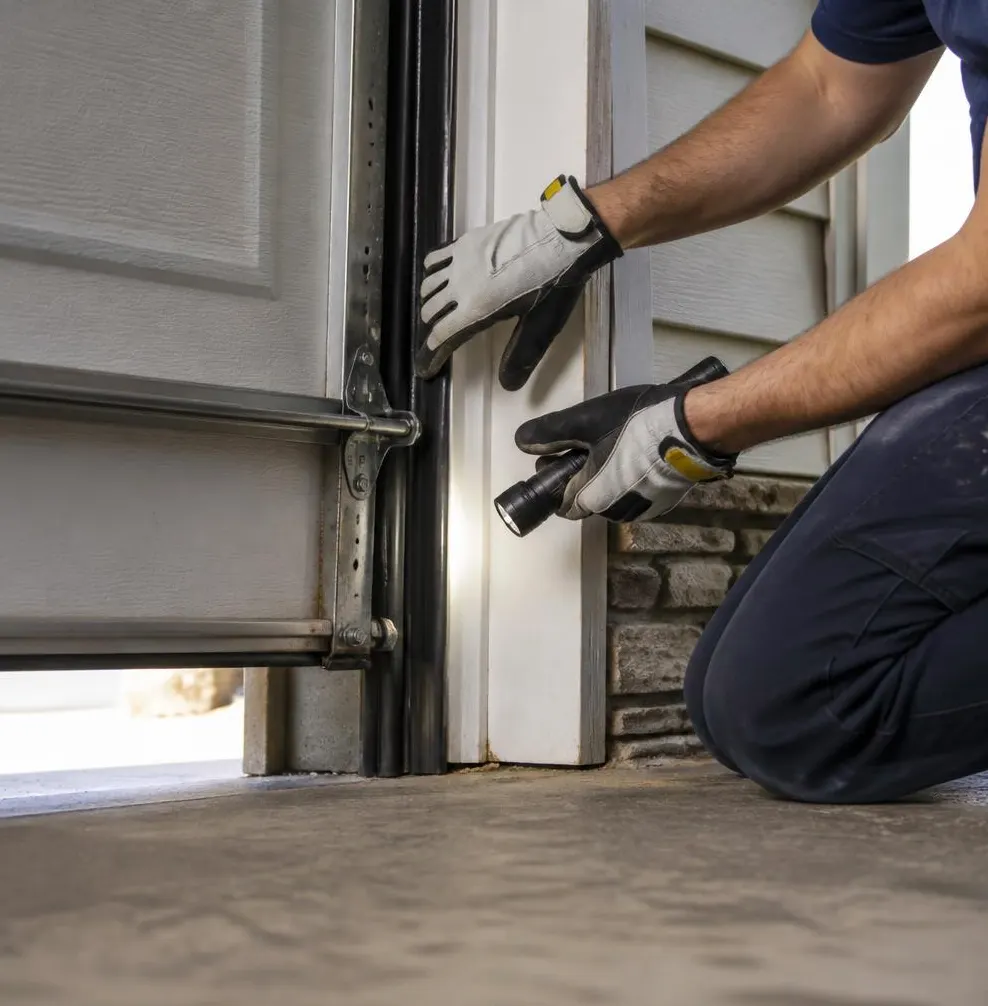
What a Technician Sees on This Call
It's usually the same story: a family closes on a house, moves in, and two or three weeks later the garage door starts grinding, sagging on one side, or refusing to close all the way. They pull out the inspection report and the garage door section says one line — "opens and closes, no issues noted." That's because most general home inspectors do a quick visual check and click the remote once. They don't disconnect the opener to test spring balance, they don't inspect the cables for rust, and they rarely check whether the door can handle a tropical storm's wind load. In a coastal, humid climate like ours, those gaps matter more than they would inland. Here's what to check yourself before you treat the garage door as a non-issue.
Walk the Garage With This Checklist
- Disconnect the opener and lift the door by hand. It should move smoothly and stay put at about waist height. If it crashes down or flies up, the springs are mismatched to the door's weight or already weakening. This is the single most common thing inspectors skip, because it means pulling the release cord and physically testing it — not just pressing a button.
- Look at the bottom two feet of the tracks for rust or pitting. Salt air off the coast works on exposed steel fast, and the lower sections of track take the most moisture splash-back from storms and sprinklers. Surface dust is fine; flaking rust or pitted metal means the track is weakening and could bind or crack under load.
- Check the bottom panels for swelling, bubbling, or soft spots. Humidity and standing water from afternoon downpours get into seams over time, especially on composite or wood-look panels. A panel that feels spongy or looks warped at the bottom edge is already failing and will only get worse through another wet season.
- Inspect the lift cables and bottom brackets. Look for fraying strands, rust discoloration, or a cable that looks loose compared to its pair. A frayed cable under tension is a real safety hazard — if it snaps, the door can drop suddenly or swing off track.
- Run a finger along the weatherstripping at the bottom and sides. Cracked, flattened, or missing seals let wind-driven rain, humidity, and insects into the garage during storm season. If you can see daylight gaps along the bottom, water will find its way in during the next heavy system.
- Test the auto-reverse safety feature, not just the remote. Close the door and wave a hand or a piece of wood under the sensor beams, or place a 2x4 flat on the ground where the door would close. It should stop and reverse immediately. A lot of inspectors just confirm the door opens and closes once — they don't verify the reversal sensors actually work, which is a real liability with kids or pets in the house.
- Check for reinforcement struts on the back of the door. Homes in wind-load zones need doors braced to handle storm-force gusts, and a door without visible horizontal struts across the panels may not meet that standard. This is easy to miss on a quick walkthrough because it's only visible from inside the garage, facing the door.
- Note the age and features of the opener itself. If it's an older unit with no battery backup, you'll lose garage access entirely during a power outage — which happens more than once a season here. Openers generally last 10 to 15 years; if there's no model sticker or it looks original to an older home, budget for a replacement sooner rather than later.
- Listen and watch during a full open-close cycle. Grinding, jerking, or a door that tilts to one side as it travels points to worn rollers, bent track, or uneven spring tension. A smooth, quiet, level cycle is what you want; anything else is a sign of deferred maintenance from the previous owner.
When to Call Bonita Springs Garage Door Repair
If the balance test fails, if you see cable damage, or if the door just doesn't move the way it should, don't wait for it to get worse — especially heading into storm season when a weak door is the last thing you want to discover during a wind event. Our Garage Door Spring Repair service handles the balance and tension issues that inspectors typically miss, and our Preventive Maintenance & Tune-Ups package covers everything on this list in one visit: track inspection, cable check, roller lubrication, sensor testing, and weatherstripping assessment, so you know exactly what you're dealing with before small issues become a locked-out garage or a dropped door.
New to a home in Bonita Springs, Naples, Estero, Fort Myers, or anywhere else in Southwest Florida? Call Bonita Springs Garage Door Repair for a full inspection and same day garage door service when something needs fixing fast.